
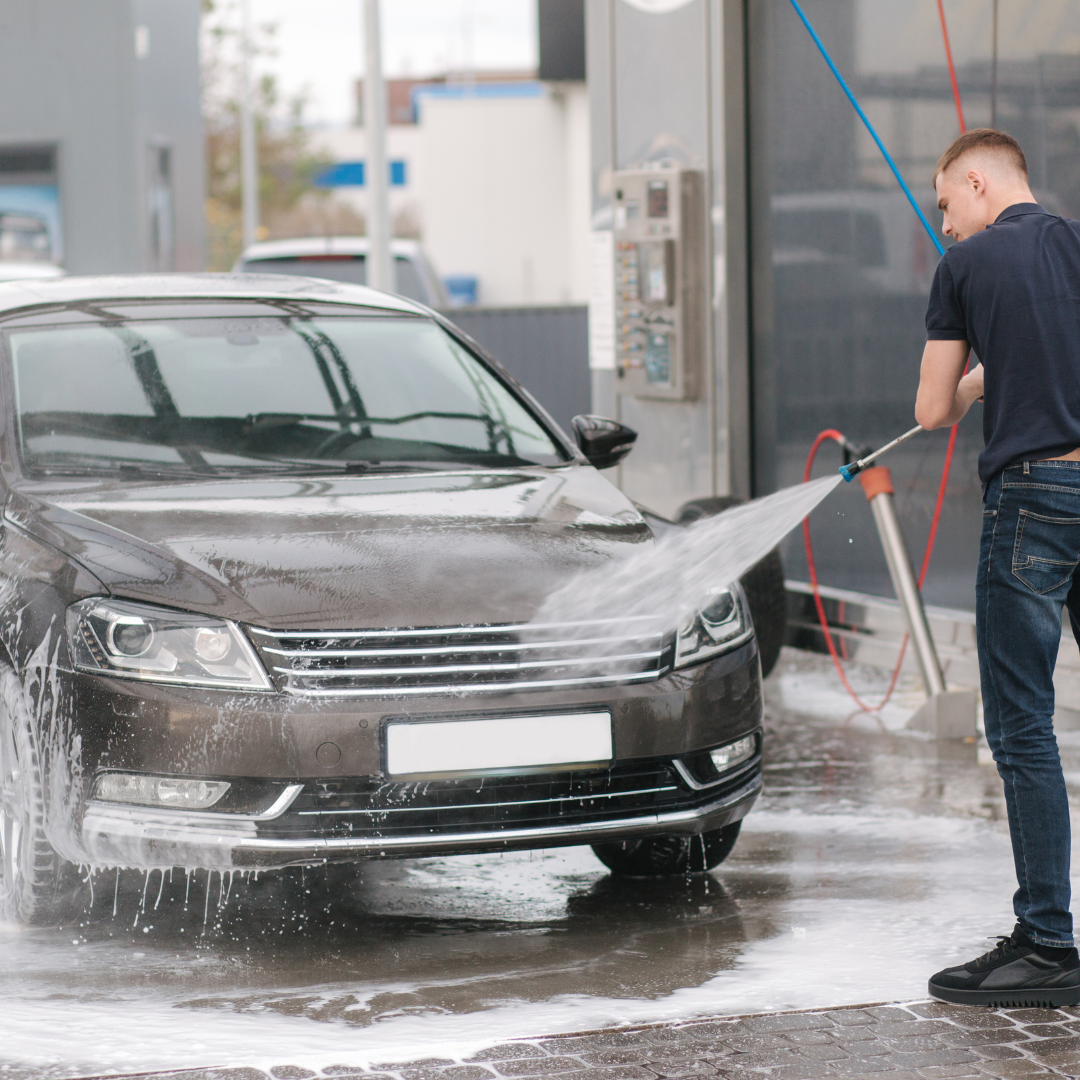
Car park cleaning in Sydney operates under increasing pressure from safety compliance requirements, environmental controls, insurance obligations, and public liability exposure. In many cases, maintenance problems do not arise because cleaning was ignored, but because unsuitable cleaning methods were used on high traffic commercial surfaces.
Choosing a contractor for car park maintenance now involves far more than comparing quotations. Equipment standards, wash water handling, surface protection methods, documentation procedures, and regulatory understanding all influence long-term operational risk for property owners and facility managers.
1. Verify Trade Waste Handling Procedures Before Approving Any Contractor
Car park cleaning services in Sydney generates contaminated runoff containing oil residue, sediment, tyre particles, and chemical waste. Improper disposal into stormwater systems can trigger environmental penalties and council scrutiny.
Before engaging a contractor, request evidence showing how wash water is collected, filtered, and managed onsite. Contractors operating without controlled runoff procedures transfer compliance exposure directly to the property owner.
This should be reviewed before pricing discussions begin.
2. Avoid Contractors Using Dry Sweeping on Concrete Surfaces
Dry sweeping on unsealed concrete creates airborne silica dust, particularly within high traffic commercial facilities.
In enclosed or underground structures, this becomes both a workplace safety concern and an environmental issue. Vacuum assisted sweeping or controlled wet cleaning methods are generally safer for commercial concrete surfaces.
A cleaning service contractor in Sydney is unable to explain the difference between these methods may lack experience within regulated commercial environments.
3. Surface Type Must Determine Equipment Selection
Car parks across Sydney contain a wide mix of flooring systems including sealed concrete, painted traffic areas, epoxy coatings, exposed aggregate, and textured pedestrian surfaces.
Each reacts differently to:
| Cleaning Variable | Possible Surface Impact |
| Excessive pressure | Surface erosion |
| Incorrect pad selection | Coating damage |
| Aggressive chemicals | Finish deterioration |
| Poor water control | Joint penetration |
Professional contractors assess the surface condition before selecting machinery or cleaning products. Equipment should match the flooring system rather than follow a standard cleaning process across every site.
4. Cleaning Methods Should Protect Existing Line Markings
Line markings inside commercial car parks form part of traffic direction, pedestrian control, and safety compliance.
Incorrect degreasers and uncontrolled pressure cleaning may weaken thermoplastic coatings and painted directional systems. Once markings fade, property managers often face additional repainting costs alongside possible compliance concerns during inspections.
Cleaning around marked zones requires controlled chemical use and adjusted equipment settings rather than uniform treatment across the full floor area.
5. Cleaning Frequency Should Match Vehicle Activity Levels
A small residential basement in Sydney does not accumulate contamination at the same rate as a retail or mixed use commercial facility.
Underground structures with limited airflow often retain:
- Hydrocarbon residue
- Fine dust particles
- Tyre debris
- Moisture build up
Traffic volume, vehicle turnover, ventilation conditions, and operating hours should all influence maintenance scheduling. Cleaning contractors applying identical cleaning frequencies across unrelated properties are relying on templates instead of site specific maintenance planning.
6. Safe Work Method Statements Must Be Site Specific
Car park cleaning in Sydney involves active vehicle movement, powered machinery, wet surfaces, and restricted operational areas.
Generic safety paperwork prepared for multiple sites provides little protection during an incident investigation. Safe Work Method Statements should reflect the exact property layout, access conditions, operational risks, and traffic movement patterns relevant to the site itself.
This documentation should be reviewed before work begins rather than after contract approval.
7. Graffiti Removal Requires Material Specific Treatment
Graffiti removal within commercial car parks often involves several surface types existing side by side.
These may include:
| Surface Material | Cleaning Consideration |
| Painted concrete | Coating sensitivity |
| Bare masonry | Pigment absorption |
| Metal shutters | Chemical compatibility |
| Glass surfaces | Abrasion control |
Applying the wrong removal product can permanently stain porous materials or damage protective finishes already present on the surface.
Competent contractors in Sydney identify the substrate first and then determine the removal method accordingly through trusted cleaning services.
8. Drainage Pit Monitoring Should Form Part of Maintenance Reporting
Drainage pits collect sediment, sludge, litter, oil residue, and contaminants displaced during cleaning operations.
Where pits become overloaded, water pooling and contamination spread may begin affecting surrounding traffic areas. In enclosed structures, stagnant waste accumulation can also create odour and air quality concerns.
Maintenance reporting should therefore include pit condition monitoring rather than focusing solely on floor cleaning outcomes.
9. Operational Hour Cleaning Requires Traffic Management Controls
Many car parks in Sydney remain active throughout maintenance periods, particularly within commercial and mixed use properties.
Cleaning operations conducted during live traffic movement require:
- Clearly marked exclusion areas
- Temporary directional signage
- Controlled pedestrian pathways
- Defined vehicle management procedures
Without proper traffic control measures, both vehicle and pedestrian incident risk increases significantly during active cleaning windows.
10. Written Maintenance Records Protect Property Owners During Claims
Cleaning records provide documented evidence showing maintenance occurred on a specific date using defined procedures.
In public liability disputes involving slips, vehicle incidents, or contamination claims, maintenance documentation often becomes critical during insurance review processes.
Records should include:
| Documentation Type | Purpose |
| Service dates | Confirms attendance history |
| Completed work details | Verifies maintenance scope |
| Site observations | Identifies developing issues |
| Supervisor sign off | Supports accountability |
Verbal confirmation alone provides little protection during formal claims assessment.
Select a Cleaning Company with Technical Understanding, Not Just Equipment
Effective car park maintenance requires more than access to pressure washers and ride on machinery. Surface protection, environmental compliance, traffic safety, drainage management, and documentation standards all influence long term property risk.
Gateway Services is a dependable cleaning company that has operated across Sydney’s commercial and industrial cleaning sector for more than 20 years, providing specialised car park cleaning services supported by OH&S certified staff, industrial ride on scrubbing equipment, graffiti removal capability, and management led inspection procedures.
Get in touch with our team today to discuss your car park maintenance requirements and request a customised service plan.
FAQs
1. Why should car park cleaning companies manage wash water correctly?
Improper runoff disposal can create environmental compliance issues and council penalties.
2. Is dry sweeping safe for commercial concrete car parks?
Dry sweeping may release airborne silica dust on unsealed concrete surfaces.
3. Why does surface type matter during car park cleaning?
Different flooring systems react differently to pressure, chemicals, and scrubbing equipment.
4. Can pressure cleaning damage car park line markings?
Incorrect pressure levels and harsh chemicals may weaken painted or thermoplastic markings.
5. Should all car parks follow the same cleaning schedule?
No. Cleaning frequency should depend on traffic volume, ventilation, and contamination levels.
6. Why are site-specific SWMS documents important?
They address the exact operational risks and layout conditions of each property.
7. Does graffiti removal require different cleaning methods?
Yes. Different materials require specific products and treatment procedures.
8. Why should drainage pits be checked during maintenance?
Blocked pits may cause water pooling, contamination spread, and odour problems.
9. Why is traffic management necessary during cleaning works?
Active car parks require controlled vehicle and pedestrian movement during operations.
10. How do maintenance records help property owners?
Written records support insurance reviews and public liability claim investigations.